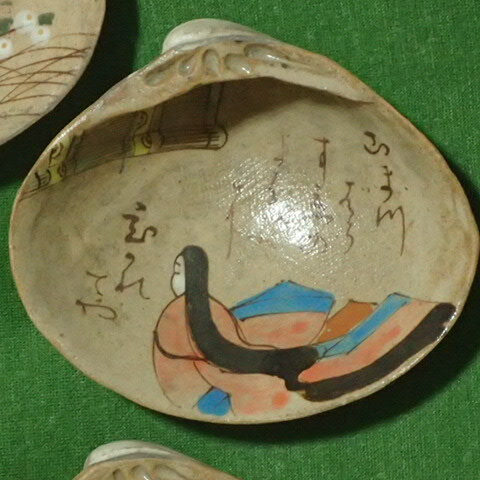
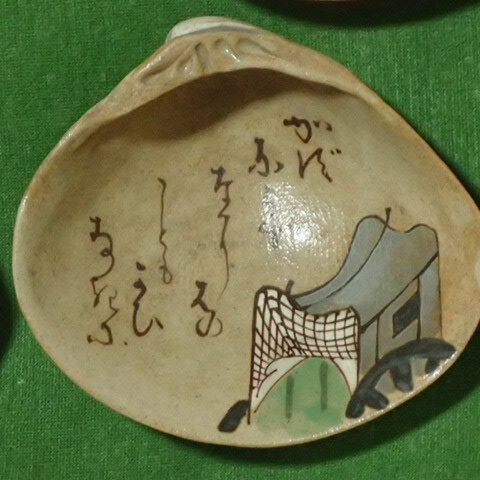
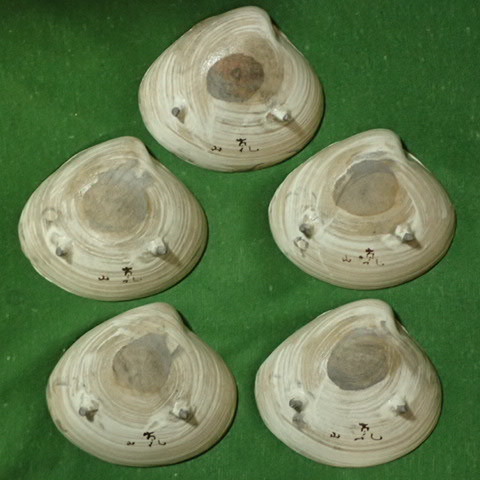
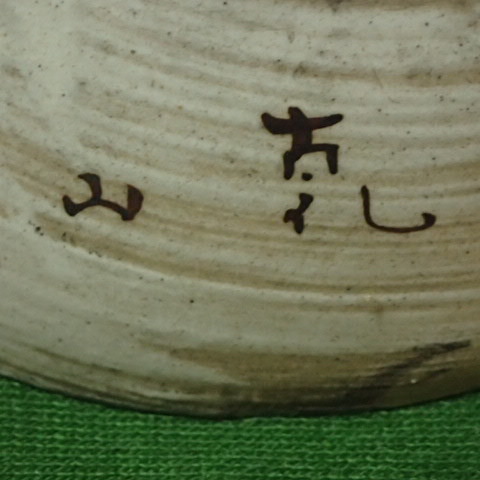
This is an exquisite set of 5 clam-shaped ceramic plates featuring Genji-e (illustrations ofThe Tale of Genji). Each piece depicts a famous scene from the classic Japanese literature using traditional Yamato-e techniques with vibrant colors and gold accents. Accompanying the art are Waka poems written in elegant classical calligraphy. Covering scenes from the early chapters to the Uji Chapters, this set is a masterpiece that brings the aesthetic of the Heian period to life. It can be used as incense containers (Kogo) for tea ceremonies, decorative small plates, or as interior art pieces. [Scenes and Poetry]Aoi: A grand oxcart scene, symbolizing the festive procession of the Kamo Festival.Yomogiu: A visitor with an umbrella, depicting Genji visiting Suetsumuhana on a rainy night.Otome: Autumn flowers, symbolizing restless love compared to clouds swirling in the wind.Yadorigi / Hashihime: A noble figure behind a silk screen, a subtle meeting scene from the Uji Chapters.Ukifune: A waterside scene, symbolizing the tragic love story set by the Uji River. [Details]Quantity: Set of 5Width: Approx. 12.7 cmMark: Marked Sanryo (or Ryozan) on the bottom.Features: Each plate has small feet for stability and a pleasant weight.Condition: Pre-owned but in good condition without major chips. Please see photos for details. [Shipping] We will pack carefully for safe delivery. Combined shipping is available for items won on the same day.
1. Yomogiu (The Waste of Weeds)Illustration: Depicts an attendant holding an umbrella.Waka Poem: Sashitomuru mugura ya shigeki... Description: This scene is from Chapter 15. It portrays the famous moment when Prince Genji visits Lady Suetsumuhana on a rainy night at her dilapidated mansion, where she has been faithfully waiting for him amidst overgrown weeds (mugura).2. Otome (The Maiden)Illustration: Features autumn flowers such as white chrysanthemums.Waka Poem: Kaze sawagu murakumo majiru yugami ni... Description: A poem from Chapter 21. Set in autumn, it uses the metaphor of clouds swirling in the wind to express the bittersweet longing and turbulent emotions between Yugiri and Kumoi no Kari.3. Aoi (Heartvine)Illustration: Shows part of an ornate oxcart (Gissha).Waka Poem: Kazashi oru... Description: This represents a scene from Chapter 9 during the Kamo Festival. It symbolizes the brilliant procession where Hikaru Genji wears heartvine (aoi) in his headpiece, or the famous Carriage Fight (Kuruma-arasoi) incident.4. Yadorigi (The Ivy) or Hashihime (The Lady at the Bridge)Illustration: Depicts a noble lady seated behind a silk screen (Kicho).Waka Poem: Fumiwakete... Description: Presumed to be a scene from the Uji Chapters. It illustrates a refined and modest encounter between a young nobleman who has pushed through the grass (fumiwakete) to visit a lady waiting for him.5. Ukifune (A Drifting Boat)Illustration: Features a figure in a small boat or a waterside landscape.Waka Poem: Idute ni ka... Description: Related to Chapter 51. It captures the waterside scenery symbolizing the tragic love of Ukifune, who, torn between two men against the backdrop of the turbulent Uji River, eventually resolves to throw herself into the water.